Compulsive Sexual Behavior

Compulsive Sexual Behavior
You’re on your own in front of a browser, questioning whether what you do is bad or just the way you operate. No judgments, just questions.
The behavior provides relief, but after that comes guilt, the intention to quit, and then the cycle repeats. Willpower might not be enough. This is compulsive sexual behavior and is a well-recognized and treatable compulsive behavioral process.
This guide will explain what this looks like, how it is different from sex addiction and high libido, how it manifests as a process, its signs and impact, and how treatment through therapy may help. Take the first step towards regaining control by booking a free, confidential consultation call today with California’s expert sex addiction recovery therapist, Dr. Invia A. Betjoseph.
What Is Compulsive Sexual Behavior?
Compulsive Sexual Behavior (CSB) describes an ongoing struggle to regulate intense sexual impulses. This struggle results in an excessive amount of time spent engaging in sexual behaviors, resulting in distress or problems with important aspects of one's life.
The main determining factor isn’t frequent sex or a strong sexual desire but the loss of control and a continuous desire despite negative consequences. Examples of CSB include viewing pornography, compulsively masturbating, repeatedly seeking out sexual encounters, cybersex, and other sexual behaviors.
There are many terms used to describe individuals experiencing similar issues, including hypersexuality and sex addiction; however, each term does not represent the same diagnostic label.
Estimates of prevalence vary widely due to differing definitions and assessment methods. An older review reported that approximately 3-6 percent of adult populations experience some form of CSB.
More recently, a national study of adults from the United States identified that 8.6 percent had clinically relevant levels of distress or impairment based on their inability to manage their sexual thoughts, urges, or behaviors.
Compulsive Sexual Behavior in the ICD-11 (CSBD)
The World Health Organization has listed Compulsive Sexual Behavior Disorder (CSBD), an Impulse Control Disorder (ICD-11), under the code 6C72. It focuses on a persistent inability to stop intense, repetitive sexual urges that lead to repeated behaviors and significant consequences.
You may have encountered conflicting information about CSBD online. This is mainly because it is a separate diagnosis in the Diagnostic and Statistical Manual of Mental Disorders (DSM).
More specifically, there are two reasons why you might be reading conflicting information. First, Hypersexual Disorder was considered when developing the DSM-5 but not included. Second, the ICD-11 and DSM both address hypersexuality but from different perspectives.
Compulsive Sexual Behavior vs. a High Libido
A high libido is not necessarily the same as compulsive sexual behavior. It's possible for someone to have frequent sexual desires for sex and at the same time engage in sexual behaviors that are healthy and integrated.
What matters most is whether you are able to regulate your own sexual behavior, especially when such behavior is causing you significant distress or negative consequences.
For now, there’s still much debate on how hypersexuality connects to sexual desires, so diagnosing yourself based on frequency alone will produce confusing results.
A professional diagnosis is the best option, but for a private starting point, you can use the Sexual Addiction Screening Test (SAST).
Compulsive Sexual Behavior vs. Sex Addiction: What's the Difference?
Compulsive sexual behavior, sex addiction, and hypersexuality are all labels that people use to define similar lived experience; however, these are not clinically equivalent.
Wondering “Am I a sex addict”? Well, Sex addiction is defined by how well it fits into the “addiction” model of seeking rewards and experiencing cravings with addictive behaviors, whereas the International Classification of Diseases, Eleventh Revision (ICD-11) defines compulsive sexual behavior disorder (CSBD) as an Impulse Control Disorder.
While the ICD-11 is one of many ways to categorize disorders from a clinical perspective, there continues to be much debate among clinicians about whether CSBD will eventually be recognized as a type of behavioral addiction. What really matters is receiving an honest diagnosis, which is why seeing a California sex addiction therapist is a necessary step in recovery.
Why the Framing Changes How You Get Treated
The therapeutic framework used will affect the overall treatment goals. Addiction-based models, for example, may include abstinence from certain behaviors, sobriety goals, relapse prevention planning, etc.
Models based on impulse control would likely place greater emphasis on identifying triggers of these behaviors, controlling those urges, and emotional regulation, in addition to treating the underlying causes.
These models do not need to exist separately. Current clinical research supports the idea that individuals receive individualized treatment using multiple modalities, rather than being limited to a single theoretical model.
Therefore, regardless of whether you view yourself as having an addiction or compulsion disorder, a trained therapist can assist you by determining the most appropriate goals and strategies to achieve recovery.
Signs and Symptoms of Compulsive Sexual Behavior
Recognizing compulsive sexual behavior (CSB) symptoms involves identifying patterns in an individual's behavior as opposed to evaluating the individual behavior itself.
Symptoms of CSB include having strong, recurring, and unwanted sexual urges which are perceived as difficult to control.
These urges occupy a great deal of time, and although acting on them provides immediate relief, after acting on these urges, individuals often report experiencing feelings of guilt, shame, or regret.
In addition, potential signs of CSB can be identified by observing repeated attempts to decrease or discontinue a particular sexual behavior.
Individuals who exhibit CSB may engage in sexual activities to cope with feelings such as loneliness, anxiety, and stress.
Further, CSB may continue even though there is evidence that the behavior resulted from negative experiences with relationships, employment, finances, etc.
While a single sign does not confirm CSBD, what is important is whether the combination of indicators demonstrates a long-term pattern of impaired control or meaningful emotional inability to function.
1. Behavioral and Emotional Signs to Watch For
Behaviorally, you might notice that you spend excessive amounts of time watching pornography, browsing hookup sites/apps, lying about your sexual activities to others, abandoning commitments, and escalating risk-taking behavior.
Emotionally, you may find yourself consumed by intrusive sexual thoughts, experience shame, isolation, or anxiety, and believe that you are losing control. Also, in many cases, depression or anxiety will co-exist with problematic sexual behaviors.
While having one or two indicators doesn't necessarily indicate the existence of CSBD, experiencing a cluster of behavioral symptoms consistently that creates significant distress or impairs day-to-day functioning warrants more consideration.
2. When It's Moral Conflict or Shame, Not Compulsion
Distress itself does not necessarily indicate compulsive sexual behavior. When an individual engages in sexual behaviors that are at odds with deeply held moral, religious, or personal beliefs, they experience what we call moral incongruence.
Research shows that individuals experiencing moral incongruence will likely report higher levels of feelings of compulsiveness surrounding their sexual behaviors (e.g., pornography), especially if they cannot resolve this conflict.
Therefore, understanding the difference here is important, as treatment may focus more on helping individuals understand themselves, their values, and how to practice self-compassion to reconcile their conflicting beliefs, rather than solely on developing strategies to decrease compulsive urges.
A thoughtful assessment would consider both factors while avoiding judgment of one’s beliefs or the assumption that the behavior was harmful.
What Causes Compulsive Sexual Behavior?
Compulsive sexual behavior (CSB) often occurs as the result of many factors; however, for some individuals it may occur due to feelings of shame, low self-esteem, traumatic experiences, or emotional pain.
The compulsive nature of sexual behavior may also be used by some to regulate negative emotions, especially when feeling stress, loneliness, anxiety, or distress. This reward and reinforcement process can create a cycle, causing the condition to worsen over time.
Many individuals who suffer from CSB patterns also struggle with depression, anxiety, bipolar disorder, and other mental health disorders. Therefore, it is advisable to assess these co-occurring issues rather than assuming they caused their CSB.
The Impact of Compulsive Sexual Behavior on Your Life
Compulsive sexual behaviors have the potential to lead to feelings of shame, anxiety, loneliness, and decreased self-esteem, which will likely make seeking assistance more challenging.
Keeping one's compulsive sexual behavior secret may further isolate an individual from others and reinforce the cycle of compulsive sexual behavior as the person continues to use their compulsive sexual behavior as a means to escape painful emotions.
Relationships are also at risk when repeated secretive behavior or compulsive sexual behavior causes damage to the level of trust, intimacy, and emotional closeness that exists within a relationship. There are also potentially significant practical issues related to productive time lost, financial issues due to lost income or debt (ie., fines), physical health risks associated with sexually transmitted infections, loss of relationships, etc.
Recognizing the above issues is not necessarily meant to cause fear, but merely to acknowledge their possibility and to provide direction toward assistance and support.
1. Emotional and Mental Health Impact
Shame is just one of many emotions that may accompany a person's emotional experience with compulsive sexual behaviors. Others include anxiety, social isolation, reduced self-worth, and depression.
The relationship between depression and anxiety disorders in individuals who are struggling with Compulsive Sexual Behaviors (CSB) is complex and does not automatically indicate causality.
Many people follow this pattern: shame, secrecy, continuing behavior, and more shame. In addition, the more frequently an individual follows this pattern, the less likely they are to seek change and rebuild self-esteem.
2. Impact on Partners and Relationships (Betrayal Trauma)
A partner discovering they were cheated on multiple times may experience betrayal trauma, which can manifest physically (vomiting, fever, headaches) or psychologically (sadness, anger, shame, anxiety). Regardless, the partner’s feelings are valid, even if they define the CSB behaviors as "cheating".
There is no guarantee of repair after this type of betrayal. However, some level of repair is often possible if both parties agree to honest communication, set clear boundaries, hold each other accountable, and take significant steps to rebuild love.
3. Work, Financial, Legal, and Health Consequences
Compulsive sexual behavior can lead to a decrease in productivity at home and at work. The cost of pornographic materials, sexual services, etc. can put pressure on finances that is usually hidden from family members and friends.
In addition, depending on the nature of the compulsive sexual behaviors engaged in, sexual health risks (sexually transmitted diseases) and legal problems can arise.
Although these are potential consequences of compulsive sexual behavior, it is still important to seek help if you feel out of control.
Treating Compulsive Sexual Behavior Through Therapy, and How San Jose Counseling Can Help
Compulsive sexual behavior (CSB) is treatable. The therapist will help identify what may have caused the compulsive behavior, how to recognize triggers, develop healthier behaviors to manage urges, and provide assistance with other problems you are experiencing (i.e., anxiety, shame, trauma, or relationships).
Our Process
- Assessment and Stabilization
The first step is to assess the behaviors of the individual; what are their triggers? What happens as a result of their behavior?
What other issues does this behavior relate to in terms of mental health? The goal is to create practical strategies to reduce disruptions and manage urges. - Addressing the underlying drivers
Therapy will explore possible factors feeding the behavior, such things as emotional pain, trauma, shame, difficult relationships, or ineffective coping mechanisms. The goal is to create healthier ways to respond. - Relapse Prevention
Recovery includes identifying at-risk situations, developing a plan to prepare for relapse, and building strong skills to maintain long-term behavioral change.
A lapse can be an opportunity to understand your patterns rather than a reason to quit recovery.
Evidence-Based Therapies We Use
- CBT
Cognitive Behavioral Therapy (CBT) assists in identifying the triggers, beliefs, and behaviors involved in your compulsive sexual behavior and in teaching you how to replace these with other ways to manage your urges. - ACT
Acceptance and Commitment Therapy (ACT) helps you notice urges without necessarily acting on them and build behavior based on what you value.
Mindfulness-based interventions can also increase your awareness of thoughts, feelings, and urges before action occurs. - Others
Trauma-informed care and EMDR therapy may be used when traumatic experiences have contributed to the behavior.
All treatment plans are tailored to each client's needs, goals, and other factors, and it cannot be assumed that all clients will benefit from a trauma-informed treatment plan. - Mindfulness and Impulse Regulation
These Skills can help create time between urge and response. The right combination depends on symptoms, goals, history, and any co-occurring condition.
Book a free consultation call to understand which approach works best for you!
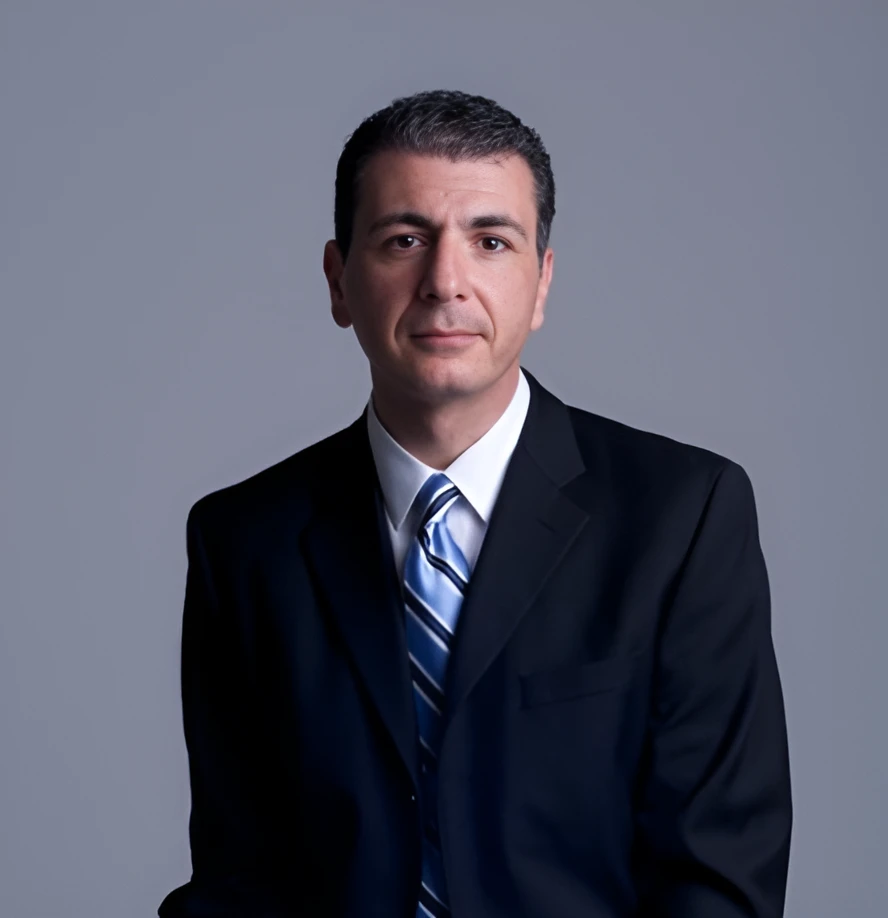
Dr. Invia A. Betjoseph
A licensed therapist and certified expert in sex addiction and partner trauma, offering compassionate counseling for individuals and couples. With advanced training in trauma therapy, including EMDR and Emotionally Focused Therapy (EFT), the focus is on providing effective, evidence-based treatment to heal emotional wounds, restore trust, and support lasting recovery.
FAQs
Q1. What is compulsive sexual behavior?
The World Health Organization describes compulsive sexual behavior as a persistent difficulty in controlling intense, repetitive sexual urges or behaviors that are causing distress to the individual themselves or to others.
Q2. Is compulsive sexual behavior the same as sex addiction?
Sexual addiction, though common terminology, is NOT an ICD-11 recognized diagnosis. However, ICD-11 does recognize compulsive sexual behavior disorder (CSBD), which is classified as an impulse-control disorder.
Q3. Is compulsive sexual behavior a recognized mental health condition?
YES. The World Health Organization has recognized compulsive sexual behavior disorder as part of the impulse-control disorders, based on the ICD-11. This is also reflected in the DSM-5-TR's classification system; however, there is no single standalone diagnosis for this.
Q4. What's the difference between a high libido and compulsive sexual behavior?
Having a high libido simply refers to having strong or often occurring sexual desires. Compulsive sexual behavior includes the inability to regulate your impulses, continued behavior regardless of the negative consequences associated with such behavior, or extreme distress from such behaviors.
Q5. Can compulsive sexual behavior be cured?
Treatment is possible, but a “cure” in the traditional sense is not certain. Treatment involves managing the behavior and underlying drivers, and living a healthier life. It does not completely delete the behavior from one’s mind.