Other Services
1- Individual Therapy
2- Couples and Marriage Counseling
3- Christian Counseling
4- Families
Alcohol and Drug Addiction Therapist and Psychologist San Jose California
Studies have found that 86% of people in Santa Clara County have lifetime substance use, and the most used substances are alcohol and marijuana. Another study showed California had 6,959 deaths related to opioid use in 2022, while the casualties caused by using fentanyl had increased tenfold since 2015.
While addiction is on the rise, you can overcome it with evidence-based therapy and treatment. Dr. Invia, San Jose addiction therapist provides individualized, culturally sensitive treatment to help you or your loved one begin the process of recovery. If you’re struggling, a San Jose addiction therapist can help. Schedule a FREE Consult today.
Understanding Alcohol and Drug Abuse Addiction
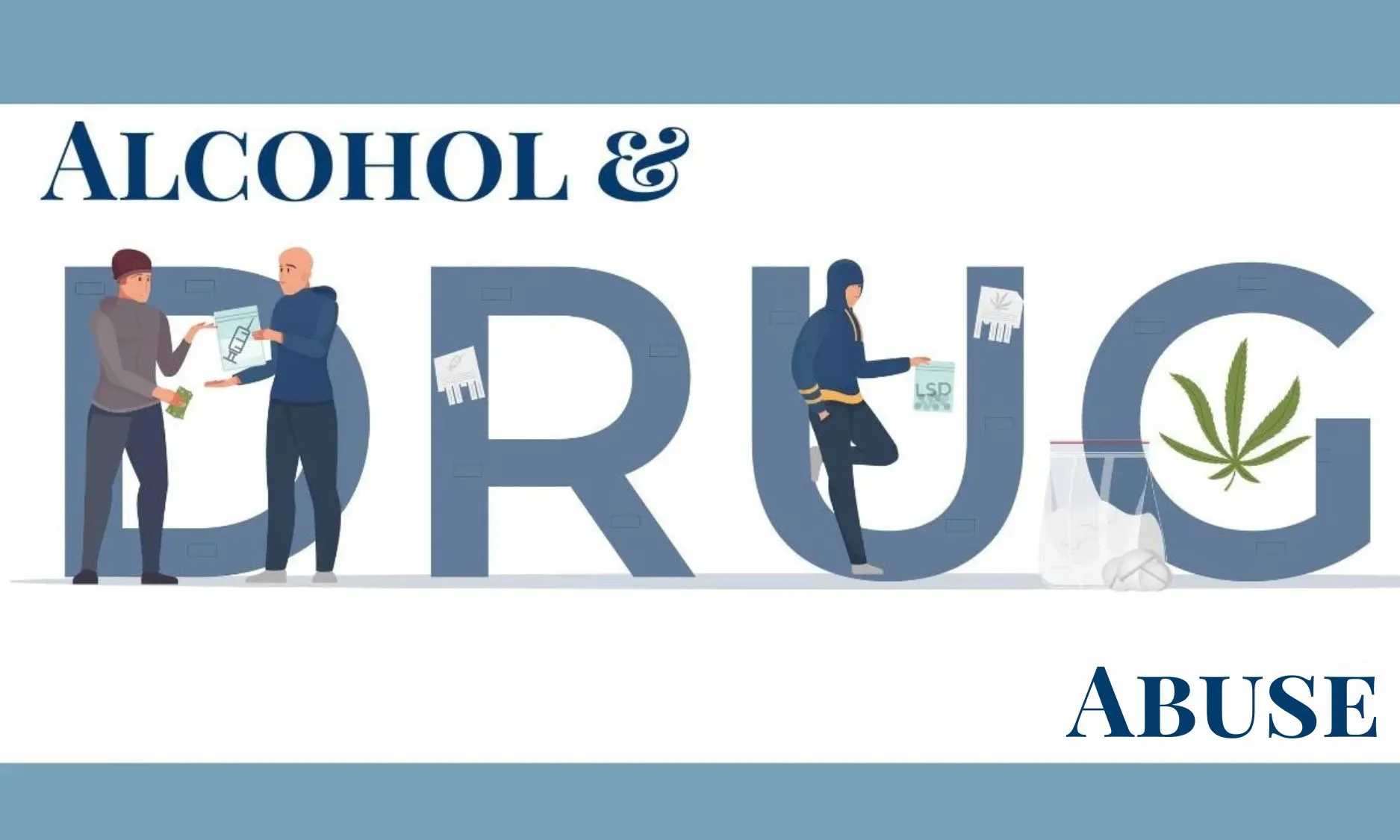
Before we move forward, let’s understand the differences between alcohol, drug abuse, and substance use disorder (SUD). The benefit of this knowledge is that you’ll be better informed about your situation and what to expect during treatment.
| Type | Definition | Example |
|---|---|---|
| Alcohol Abuse | Harmful drinking patterns | Binge drinking daily |
| Drug Addiction | Illegal/misused drug use | Using opioids without a prescription |
| SUD | Clinical addiction | Needing substances to function |
- Alcohol Abuse (NIAAA Definition): This is when you take too much alcohol to the point your health starts to decline, leading to poor performance at home and at work. It sometimes gets worse, where you become a health risk to yourself and even others.
- Drug Abuse (NIDA Definition): Drug abuse is when you take illegal medications or use them without a prescription, which then results in harm to your physical and mental health.
- Substance Use Disorder (SUD) (DSM-5 Standards): SUD is when you continue to use these addictive substances despite causing severe issues to your physical and mental health. The signs are usually craving and the inability to stop, even though you understand the harm it causes.
*Note: Alcohol is the most common SUD in the United States (SAMHSA, 2022).
Common Addictions in San Jose, California:
- Alcohol
- Cocaine
- Marijuana
- Methamphetamine
- Opioids (e.g., fentanyl, oxycodone)
- Prescription stimulants (e.g., Adderall)
The Human Side: Stories of Addiction and Recovery in California
Addiction is rampant in Silicon Valley, from professionals who hide their opioid dependency to those seeking help for their alcohol dependency. Recovery is possible with evidence based approaches.
Dr. Invia has assisted many clients in San Jose to gain sobriety through individualized plans that sometimes include therapy and/or medication-assisted recovery.
For example, many local professionals have regained control after struggling with prescription drug misuse, rebuilding careers and relationships. Recovery is possible. You're not alone. Reach out to California Therapist Dr. Invia today!
Alcohol and Drug Addiction: Causes & Signs
5 Common Causes of Addiction
Some causes of addiction include:
- Genetics –Family history increases risk (NIDA).
- Trauma – PTSD or unresolved emotional pain can lead to self-medicating.
- Social Pressures – Peers or workplace culture can normalize your abuse.
- Stress – Silicon Valley’s high-pressure environment can fuel dependency.
- Mental Health Disorder – Depression, anxiety, or ADHD may lead to substance use.
If you memorize the causes of addiction, you can better spot when the bad habit is developing in yourself or a loved one and know how to find professional help before it becomes too late.
5 Signs of Addiction in Accordance with DSM-5 Criteria
How do you know if you are addicted to something? Here are the signs:
- Loss of control – Using more and for a longer period than intended.
- Inability to quit – Tried to quit taking drugs/drinking without success.
- Withdrawal symptoms – Has shaking, sickness, or anxiety, without use.
- Risky use – Has taken drugs or alcohol in risky situations (i.e., driving).
- Neglecting obligations – Work, school, or family suffering (leading to divorce).
If any of these signs sound familiar, a San Jose addiction specialist can help you repair emotional damage. The faster you get help the more successful you will be in recovery.
4 common Complications of Alcohol and Drug Abuse Addiction
When introduced into the body, drugs, alcohol, and opioids change the brain, as they inundate the brain with dopamine; the high is stronger than basic survival (needs for sleep, needs food, needs human interaction).
- Mental Health – Worsening anxiety, depression, or psychosis.
- Physical Dependence –Withdrawal symptoms like tremors or seizures.
- Relationships – lying, isolation, aggressive behaviors towards family/friends/others.
- Cognitive Consequences – Memory issues, impaired judgement, and impaired decision making (NIH).
The longer the addiction continues, the harder recovery becomes, but the brain can heal with treatment.
Treatment and Recovery Options in California to Manage Alcohol and Drug Addiction
For serious cases of addiction, there are live-in treatment centers that provide specialized care on a full-time basis.
Many people find that they are more comfortable with part-time treatment programs that allow them to continue their work and/or family responsibilities.
Some physicians will prescribe something that helps with cravings and potentially relapse, especially for alcohol and/or pain killer addiction.
The best outcomes are typically a combination of the different approaches to match the person's particular situation.
Therapy for Addiction
Therapy is a way to re-wire negative thought patterns and break harmful behaviors. Common approaches include:
- Cognitive Behavioural Therapy (CBT) - Helps you identify triggers and develop coping strategies.
- Motivational Interviewing (MI) - Strengthens your commitment to change.
- Co-Occurring Disorder Treatment - Treats mental health in conjunction with addiction.
- Group Therapy - Being with others (AA, NA etc.) helps combat feelings of isolation.
You might not need all these treatment methods depending on your situation. But to be sure, your therapist will have a long conversation with you to create a custom plan that helps you get better.
When Should I See a Therapist?
Find a therapist immediately if you notice:
- You have tried quitting but relapsed.
- Substance use harms work, health, or relationships.
- You experience withdrawal symptoms when stopping.
An experienced therapist or person with some experience can help you to enter treatment for addictions, substance-based or behavioral (for example pornography), by working with you for a person-centered approach to help facilitate withdrawal symptoms, develop better habits, and consistently maintain addiction recovery, by providing personal and direct feedback and therapeutic intervention.
Medication for Addiction
Depending on the severity of your situation, your therapist or doctor may prescribe medications to maximize your treatment. Some of these include:
- Opioids: Buprenorphine, Methadone (reduce cravings).
- Alcohol: Naltrexone, Acamprosate (block pleasurable effects).
- Stimulants (e.g., Meth): No FDA-approved meds yet, but therapy is effective.
CAUTION: These drugs are to be prescribed by a professional and should not be taken outside of a doctor’s prescription.
Expert Support Can Help You Recover from Addiction.
Addiction is tough, but recovery is achievable! San Jose has many people who have successfully overcome addiction. It can really be a process for people and can involve struggles with cravings, setbacks, and ultimately trying to get your life back. The true fact is that you are not alone, recovery is possible, and support is here when you are ready.
No matter your struggle with alcohol, opioids, meth, or whatever you are using, there is a real help that works. Whether that is therapy, medication, or both; there is support that can help you take your life back.
Take the first step today!Reach out to Dr. Invia for a FREE, Confidential Consult and begin your journey toward freedom from addiction.
Read More: When to Walk Away from someone with mental illness.
Frequently Asked Questions
What kind of clinician treats addiction?
An addiction psychologist is a clinician who focuses on the treatment of addiction and harmful substance use. As a clinician, they conduct therapy and provide management, create a diagnosis for any co-occurring disorder(s), and develop a plan for management proactively.
What’s the difference between a therapist and a substance abuse counselor?
Therapists and counselors both work with mental health concerns and addiction. Counselors only look at issues related only to involvement with substance use relapse (i.e. rehab and 12-step groups).
Which behavioral therapies help with addiction?
Some of the best therapies for addiction include: motivational Interviewing to boost readiness to stop; CBT (Cognitive Behavioral Therapy) to address maladaptive thoughts; Contingency management; which is a system of positive reinforcement for behaviors (e.g; negative drug tests).
Talk to Dr. Invia — licensed Marriage & Family Therapist.